Macronutrients
Protein, carbohydrates, and fats each play important roles. Balance varies by person—learning your own patterns is key.
Learn about whole foods, nutrient diversity, and how to make informed choices that support your everyday wellbeing.
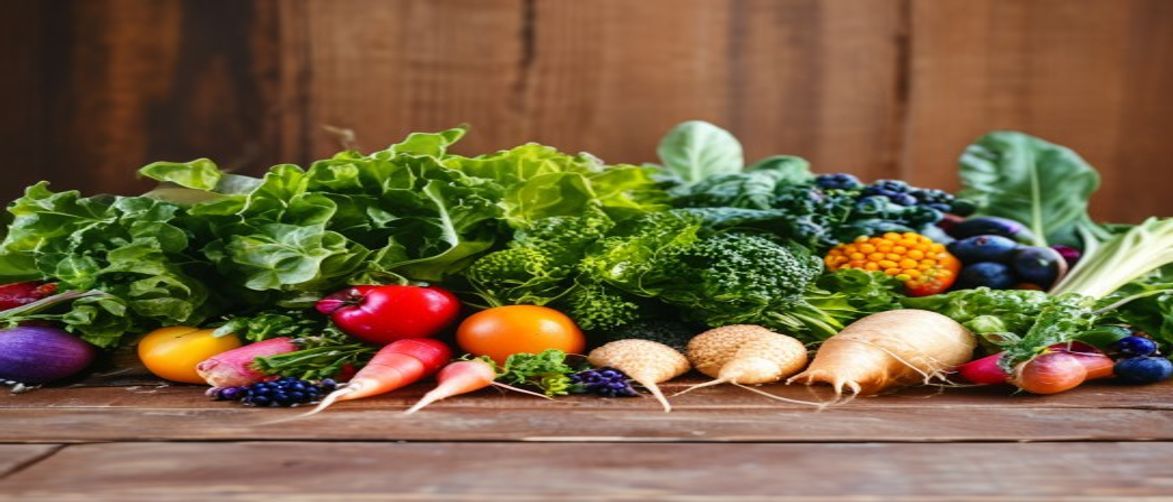
Understanding the fundamentals helps you make informed food choices aligned with your preferences and lifestyle.
Protein, carbohydrates, and fats each play important roles. Balance varies by person—learning your own patterns is key.
Vitamins and minerals support countless body functions. Variety in whole foods naturally provides diverse nutrients.
Water is fundamental. Understanding your hydration patterns is a simple yet powerful step toward feeling your best.
Foods closest to their natural state typically offer more nutrients. This isn't about rigid "clean eating"—it's about awareness.

New Zealand's climate gifts us diverse seasonal produce year-round. Shopping seasonally connects you to the landscape and often means fresher, more affordable food.
Learning what's in season in your region isn't just practical—it's a beautiful way to stay attuned to natural rhythms and support local growers.
Learn About Seasonal EatingA varied diet naturally supports diverse nutrient intake. Here's an educational overview:
| Food Group | Examples | Educational Notes |
|---|---|---|
| Vegetables | Leafy greens, root vegetables, cruciferous vegetables, coloured vegetables | Aim for variety and colour—different pigments indicate different nutrients |
| Fruits | Berries, stone fruits, citrus, tropical fruits | Fresh, frozen, or dried—all offer nutritional value; portion awareness matters |
| Whole Grains | Oats, brown rice, quinoa, whole wheat, barley | Higher fibre and nutrients than refined grains; support digestion and sustained energy |
| Proteins | Legumes, nuts, seeds, fish, poultry, eggs, dairy | Mix plant and animal sources if you eat both; all provide essential amino acids |
| Healthy Fats | Avocado, nuts, seeds, olive oil, fatty fish | Support hormone function, brain health, and nutrient absorption |
It's entirely up to you and your situation. Some people find it helpful for awareness; others find it counterproductive. The educational perspective is that awareness matters more than obsession—whether you track or not, tuning into fullness cues is beneficial.
Carbohydrates are essential macronutrients. The key is choosing whole, fibre-rich carbs more often than refined versions. How your body responds to different carbs varies individually—self-awareness is the best teacher.
Both have benefits. Locally grown food supports your community and often means fresher produce. Organic prioritises chemical-free growing. The most important thing is eating plenty of vegetables and whole foods—how you source them depends on your priorities and budget.
Whole foods are your primary nutrient source. Some people benefit from specific supplements depending on their diet or health situation. This is best discussed with a healthcare provider who knows your individual circumstances.
Work with us to explore how nutrition fundamentals apply to your life.
Start a Consultation